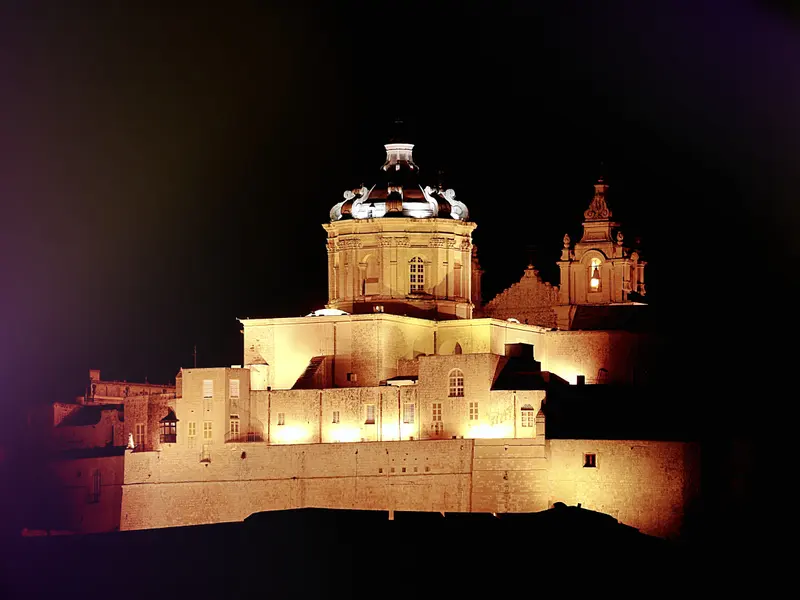
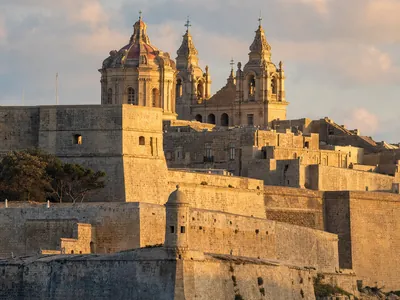
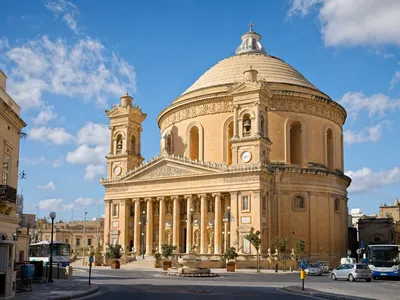
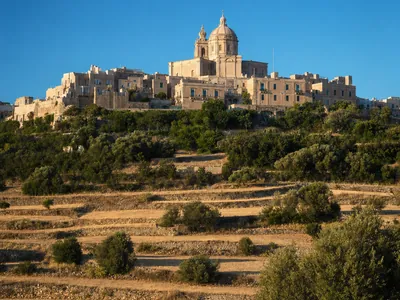

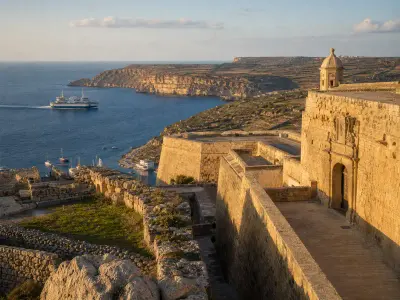
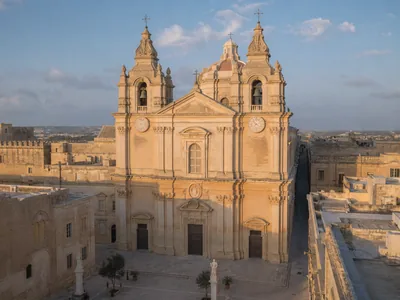
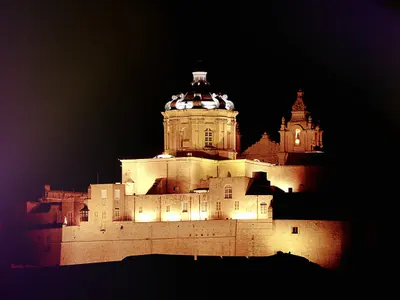
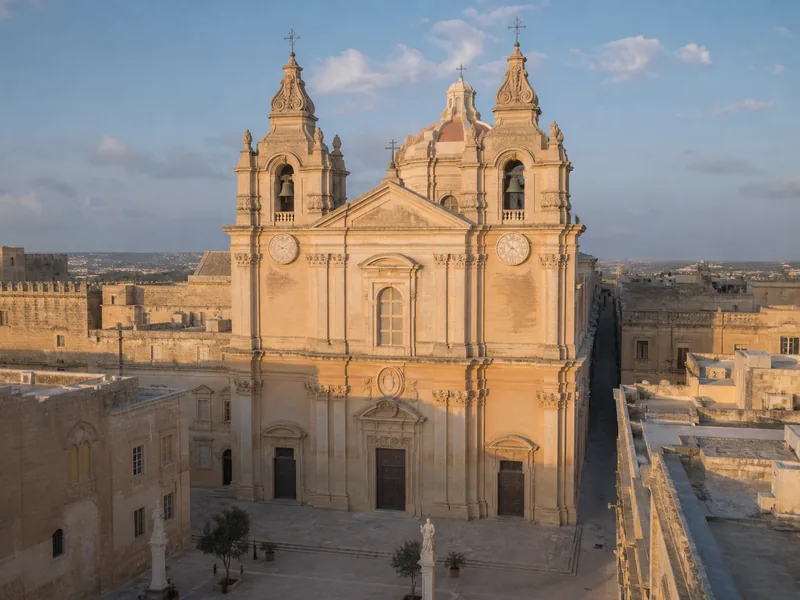
Mdina Cathedral is the Baroque seat of the Maltese archdiocese on St Paul’s Square, inside the walled city of Mdina. Yes, you should visit, for a clear line from medieval Malta through the 1693 earthquake to the island’s Baroque zenith, and because your ticket also opens the door to a serious museum in the old seminary next door.
Whether it suits you depends on how you like to see churches. This is an active place of worship with set times for rosary and Mass, and visiting folds around that rhythm. If you love architecture, sculpture and layered history you will get more from it than a quick photo stop, and mobility is not a blocker because access for disabled visitors is available. If you want a breezy Sunday pop‑in, know that On Sundays you can only view from behind the rope.
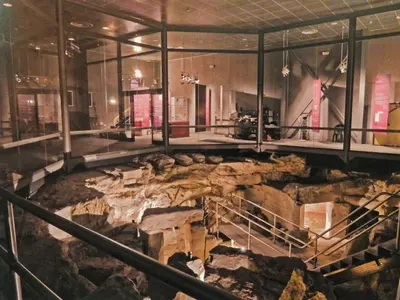
A short history helps the building fall into place. The first cathedral here took shape in the 12th and 13th centuries in a Gothic and Romanesque idiom, before the 1693 Sicily earthquake severely damaged it. The decision was taken on 11 April 1693 to dismantle what remained and rebuild, and works to Lorenzo Gafà’s design began in 1696. The present limestone church was largely finished by 1705 and consecrated on 8 October 1702, and it is widely regarded as Gafà’s masterpiece. The surviving medieval choir and sacristy were incorporated into the new structure, so you are walking a plan that still holds its older bones. The dedication is to Paul the Apostle and, by long tradition, this is the spot where Publius met the shipwrecked saint, while excavations also show the site was used as a mosque in Arab times. In the crypt, remains of a Roman domus have been found.
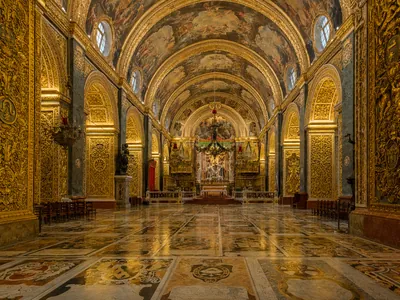
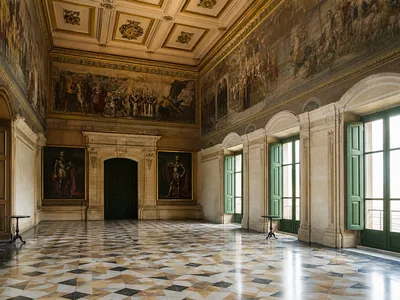
Step inside and it is the atmosphere that does the work. The light is warm on the inlaid marble flooring and limestone walls, the side chapels pull you into their niches, and the long axis of the nave lifts your eye to the crossing and high altar. This is not a museum arranged around labels, it is a working cathedral where the next sound you hear may be the start of the rosary at 5.30pm. Ask staff to be guided to the Chapel of the Blessed Sacrament if you want a few quiet minutes of prayer away from the flow. Photography is allowed without flash, and there is a clear dress code at the door: Decent dress is required and shawls are provided at the entrance. Avoid stiletto or narrow heels to protect the inlaid marble flooring.
Give yourself time for the Cathedral Museum, housed in the old seminary on the square. The seminary opened in 1616 with 12 pupils, its present Baroque complex had its first stone laid in 1733 and was inaugurated on 20 May 1742 with a remarkable 1,679 priests recorded as present. The building is attributed to Giovanni Barbara or Andrea Belli, with Belli considered the more likely hand, and it was funded by Paul Alphéran de Bussan and Grand Master Manoel de Vilhena. As a museum, established in 1969, it ranges well beyond church plate and vestments: you will find both secular and ecclesiastical artworks, archaeological remains from the islands, and paintings that include works by Mattia Preti. It is the right place to let the formal splendour of the cathedral settle into context.
This is an active cathedral first and a visitor sight second. The Archdiocese of Malta has its seat here, shared since the 19th century with St John’s Co-Cathedral in Valletta. Services shape access. Mass is celebrated at 9.00am on weekdays, 9.00am and 6.00pm on Saturdays, and at 9.30am, 11.00am and 6.00pm on Sundays. The rosary is at 5.30pm, and admission may be restricted during the rosary, Mass, weddings, funerals and other celebrations. If you want to be certain of a quiet look, arrive outside those times.
Opening hours for visits are straightforward once you know the Sunday rule. Monday to Saturday the cathedral is open 9.30am to 4.30pm, with the last ticket sold at 4.15pm. On Sundays the building stays arranged for services and visitors view from a set line rather than roaming the nave. In August, Sunday visiting starts from 4.30pm. Special closures do happen, sometimes at short notice, so treat the posted times as your plan rather than a guarantee.
Tickets are sold at the Cathedral Museum, a few metres to the right of the main door. One ticket covers both Cathedral and Museum, it is validated with a date and is non‑transferable. Current prices are straightforward: Adult €15.00, Seniors €10.00, Students €10.00. Under 12s go free. Food and drink are not allowed inside, and photography is allowed without flash.
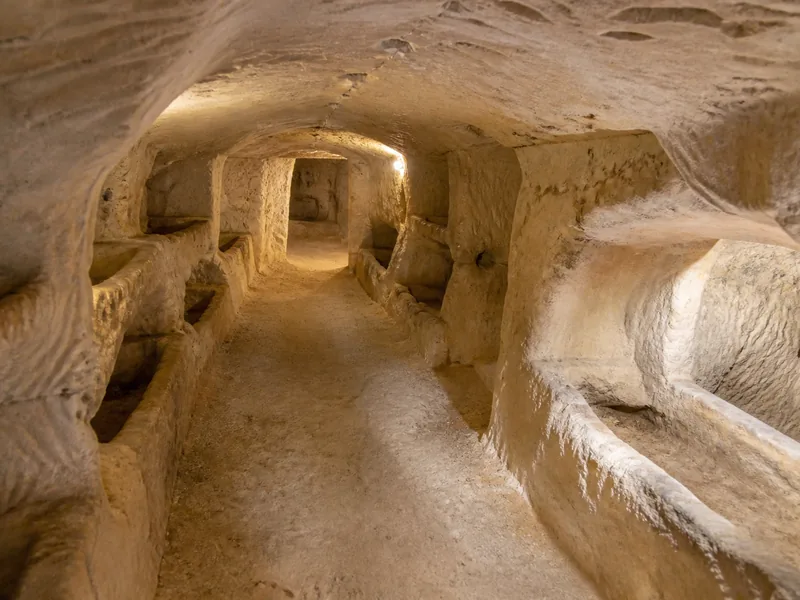
How long you need depends on your pace. Many visitors look round the church first, then cross the square to work through the museum collections, and only then loop back to details they noticed in the nave. If you are building a day in the area, it pairs naturally with a slow wander of the lanes in Mdina and Rabat, a visit to St Paul’s Catacombs, or a return after dusk for the quieter mood of Mdina at Night.
You find the cathedral on St Paul’s Square, right at the heart of the walled city. If you are coming on an organised route, hop‑on hop‑off and sightseeing tours set you down by Mdina Gate, and from there it is a short walk along the main street to the square. Buses and taxis drop outside the walls, then you walk in. Bike, taxi, bus and tour are all workable choices, but the walk through the silent city is part of the appeal, and the square itself is framed by the old seminary and the episcopal residence. If you want to draw a line through Malta’s story in a single day, see Mdina in the morning, compare its chapter of church history with the Knights’ at St John’s Co-Cathedral, then sail it all together on a late Grand Harbour cruise.
Common questions
Where do I buy tickets for Mdina Cathedral?
Tickets are sold at the Cathedral Museum, a few metres to the right of the main door. One ticket covers both the Cathedral and the Museum.
What should I wear and can I take photos?
Decent dress is required and shawls are provided at the entrance. Avoid stiletto or narrow heels to protect the inlaid marble flooring. Photography is allowed without flash.
When is the Cathedral open to visitors?
Monday to Saturday 9.30am to 4.30pm (last ticket 4.15pm). On Sundays you can only view from behind the rope, and in August Sunday visiting starts from 4.30pm. Access may be restricted during the rosary, Mass, weddings, funerals and other celebrations.
Is it accessible?
Access for disabled visitors is available. For quiet prayer, Ask staff to be guided to the Chapel of the Blessed Sacrament.
Last checked: 4 November 2026. Prices, opening hours and timetables change, verify anything time-sensitive before you travel. Photo: Diego Delso, CC BY-SA 4.0.