
The short verdict
Go, but not between eleven and four. Mdina in the middle of a summer day is a narrow walled town with several hundred people funnelled down the same three streets. The same town at eight in the morning, or after dinner when it is lit and empty, is one of the most atmospheric places in the Mediterranean. Nothing about the town changes, only the timing. And half the reason to come is outside the walls, in Rabat, which most day trips skip entirely.
What it actually is
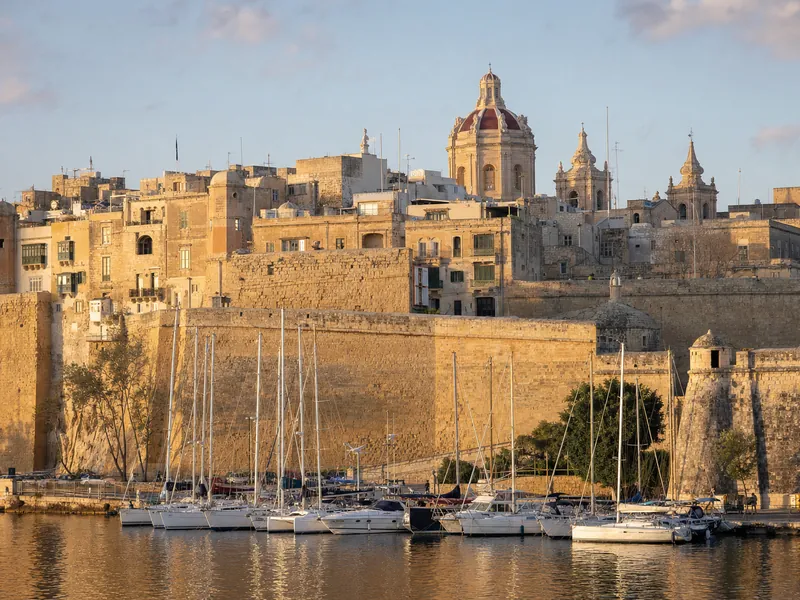
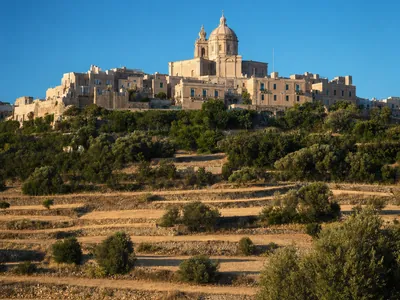
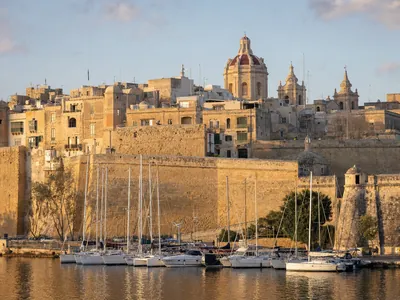
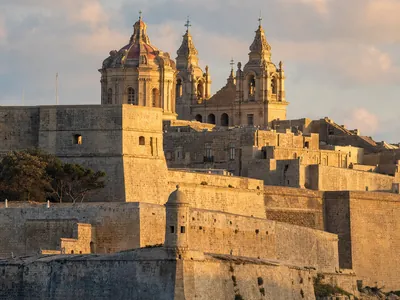
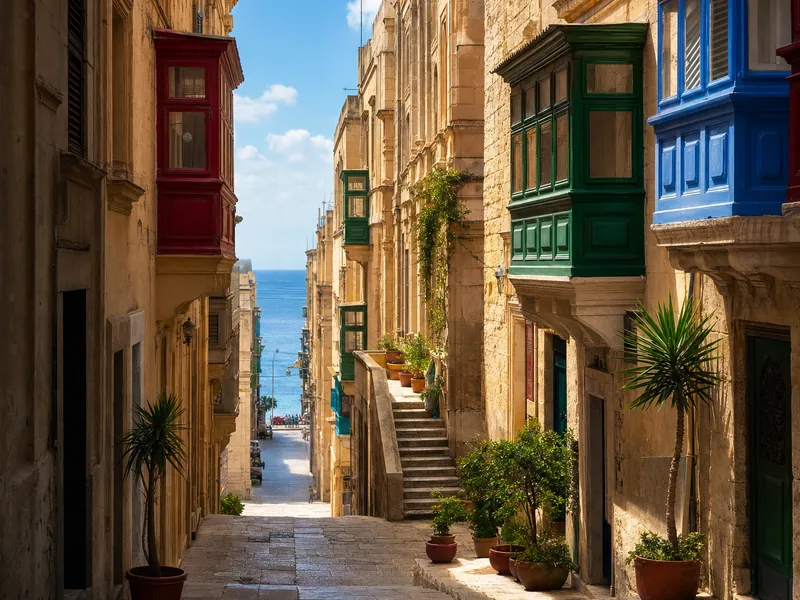
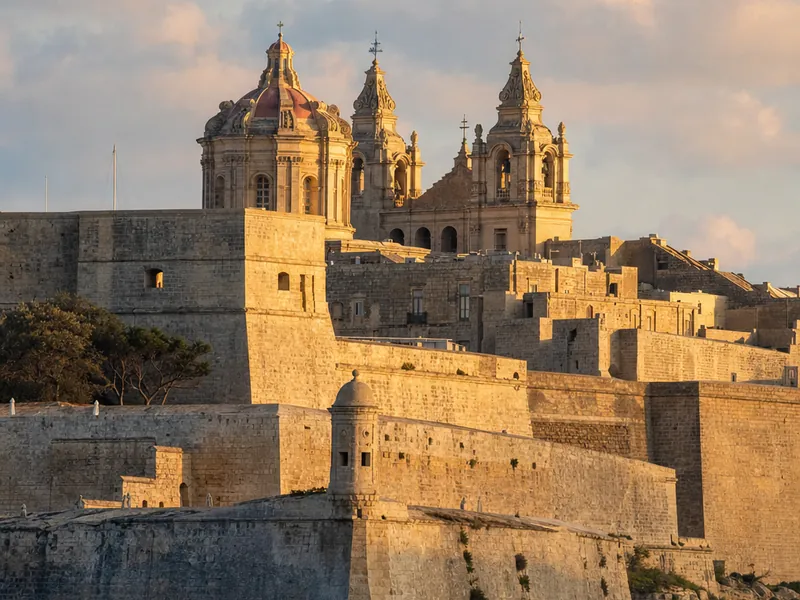
Mdina was Malta's capital for most of its history, until the Knights moved the centre of power down to the harbours in the 16th century. Being sidelined is exactly what preserved it: a fortified hilltop town of narrow shaded lanes and noble palaces, still walled, with only a few hundred residents inside.
General traffic is restricted to residents and permit holders, which is why it is so quiet once the visitors leave. Rabat: the name simply means the suburb outside the walls, sits immediately alongside, and holds several of the area's best sites.
Inside the walls
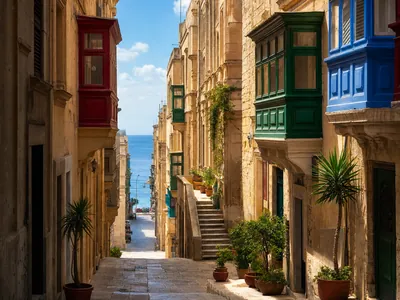
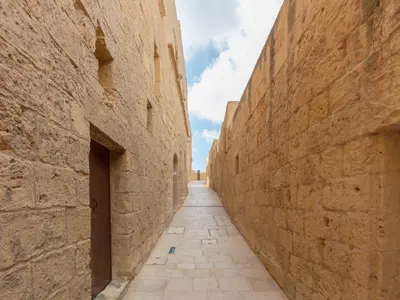
- The Main Gate and the streets themselves. The town is the attraction. Walk the lanes off the main route: they're narrow, deeply shaded and almost always empty. The gate and surrounding streets have been used repeatedly as a filming location, which is why they may look familiar.
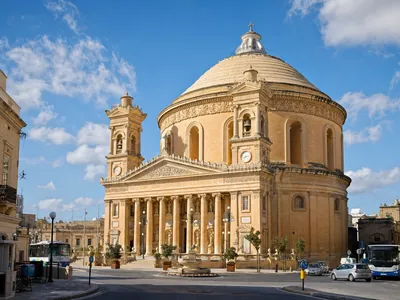
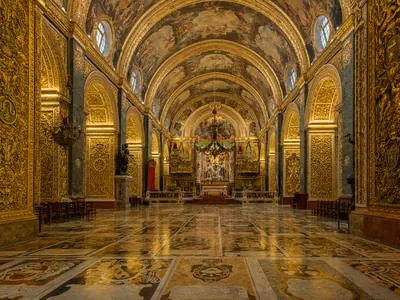
- St Paul's Cathedral (Mdina Cathedral). The quieter of Malta's two great baroque cathedrals, and a considerable relief after the crowds at St John's in Valletta.
- Palazzo Falson. A medieval house turned collector's museum. Small, idiosyncratic and a good antidote to fortress fatigue.
- The bastion viewpoint. From the walls on the northern side you can see an enormous share of the island, out to the sea on a clear day. Free, and the best thing in Mdina after the streets.
Outside the walls, in Rabat
This is the part that gets skipped, and it shouldn't be.
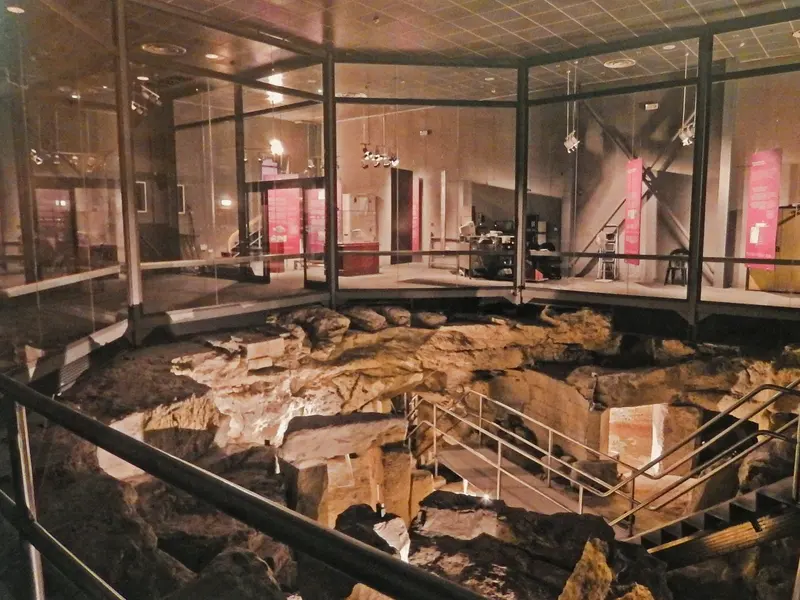
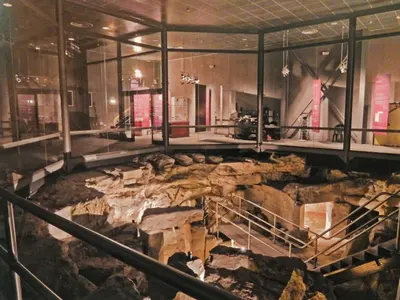
- St Paul's Catacombs. An extensive Roman-era underground burial complex you can walk through, genuinely impressive, rarely crowded, and a good alternative if you failed to get Hypogeum tickets.
- Domus Romana. A Roman townhouse with mosaics still in situ, right by the Mdina gate.
- Rabat's streets and cafés. An ordinary Maltese town going about its business, thirty seconds from one of the country's biggest attractions.
Getting there
Mdina sits in the centre of the island, on high ground. Buses run from Valletta and from the Sliema area, and it is a common stop on organised island tours. If you're driving, you park outside the walls. There is no general vehicle access inside.
The approach on foot across the bridge to the Main Gate is part of the experience. Don't get dropped at a side entrance if you can help it.
When to go
- Before about 10am: the best version of Mdina, by some distance.
- After dark: the second best. The lanes are lit, the day visitors have gone, and the name finally makes sense. Bring a light layer; it's high and can be breezy.
- 11am–4pm: the coach window. Still worth seeing, but manage expectations, and use the side lanes.
- Winter: excellent. This is an indoor-and-shade town; the cooler months suit it better than August does.
Tips people who've been twice know
- Do Rabat first if you arrive mid-morning, the catacombs are underground and cool, and you can move into Mdina as the crowds thin in the late afternoon.
- The bastion café terraces have the view. They are busy for a reason, and worth the wait for a table more than most view-terraces are.
- Wear something with grip. The lanes are polished limestone and can be slick.
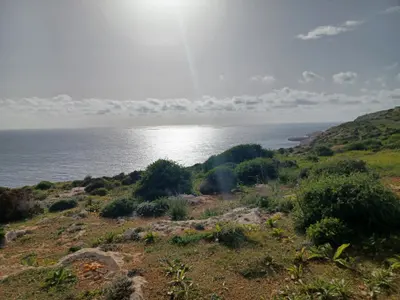
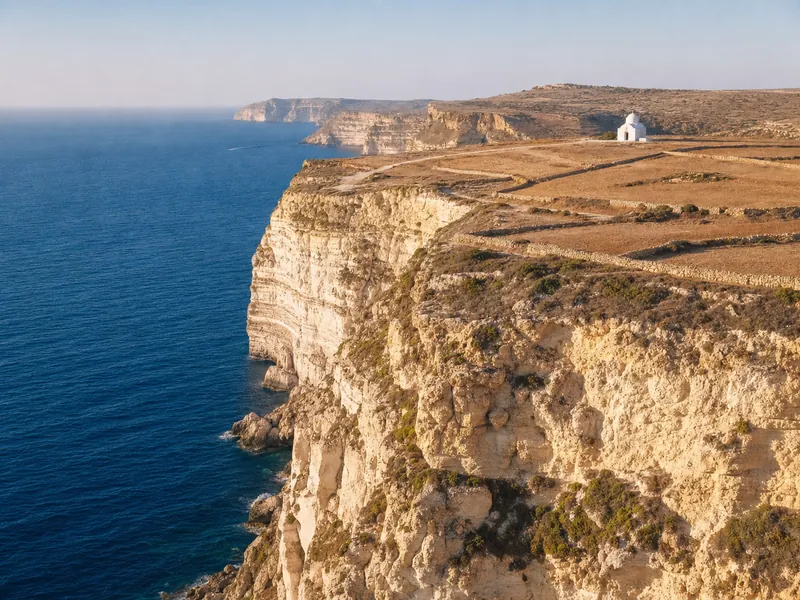
- It combines naturally with Dingli Cliffs for sunset, they are a short drive apart, and that pairing makes one of the best half-days on the island.
What is actually bookable here
- 6 bookable options via KKday and Klook and Tiqets and WeGoTrip
- about €10 to €69 per person at the time of checking
- Free cancellation up to 48 hours ahead on 1 of the 6
- Rated 4.0/5 by 13 travellers on the partner sites, across the 2 listings that carry ratings.
Taken from the operators' own listings, checked 15 September 2026. Ratings are theirs, not ours, and we do not host reviews.
Combine it with
Common questions
Why is it called the Silent City?
Very few people live inside the walls and general traffic is restricted, so once the day visitors leave the streets really are quiet. In the middle of the day in season, it is not silent at all, which is why timing matters more here than almost anywhere else in Malta.
How long do you need?
Mdina itself is an hour or two. Adding Rabat, the catacombs and the Roman house, makes it a comfortable half day, which is how it's best done.
Can you drive in?
No. Access inside the walls is restricted to residents and permit holders. Park outside and walk in through the Main Gate, which is the better arrival anyway.
Is it worth going back at night?
Yes, and it's the single best tip on this page. Lit, empty and completely different in character. If you're staying anywhere central it's an easy evening.
Is it suitable if walking is difficult?
Mdina is small and largely flat once you're inside the walls, which helps. The approach and the surfaces are uneven polished limestone, and the catacombs in Rabat involve steps and low ceilings.
Last checked: 30 August 2026. Opening hours and access arrangements change, verify anything time-sensitive before you travel.