
The Grandmaster’s Palace is the seat of power that shaped Malta for over 450 years, now open to the public as a suite of state rooms and a major armoury you can tour in around an hour. You come for late Baroque ceilings, a complete run of historic tapestries, and a renowned arms collection, all set on Republic Street at the very heart of Valletta.
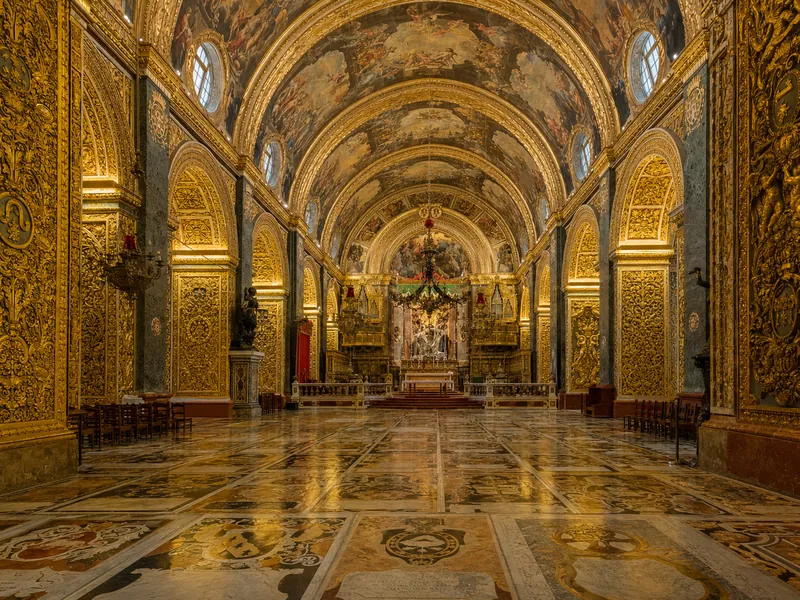
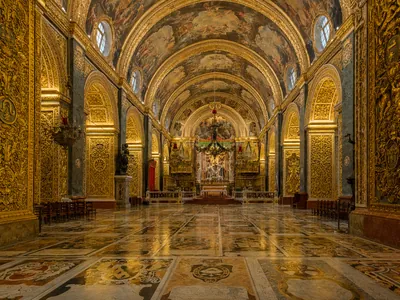
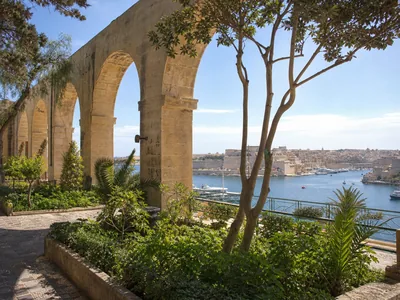
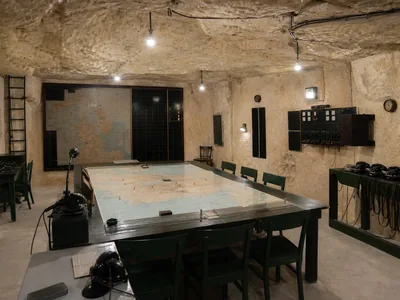
Whether it belongs on your first-day list depends on what you like. If you have only a few hours in the capital, I would send you to St John’s Co Cathedral first for sheer impact, then walk to the Upper Barrakka Gardens and, if history grabs you, down to the Lascaris War Rooms. If you enjoy interiors, military history or portrait galleries, the palace is a solid hour very well spent, and easiest to enjoy right when it opens or in the last hour of the day when tour groups thin out.
What is it, exactly? The palace was begun in 1570 for the Order of St John and served as their official residence, later becoming the Governor’s Palace in the British period and the seat of Malta’s first constitutional parliament in 1921, the Legislative Assembly in 1947 and the first post-independence parliament in 1964. Parliament moved out in 2015, and today it houses the office of the President of Malta. It was damaged in air raids in February and April 1942, yet much of the structure and decoration survived or has been carefully brought back.
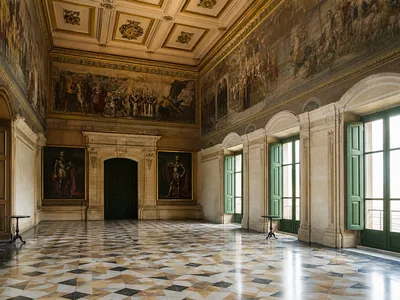
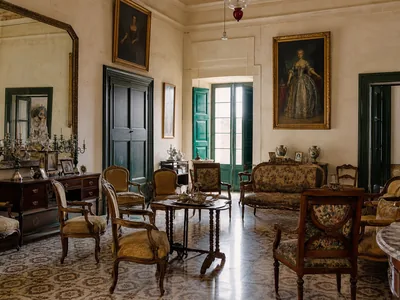
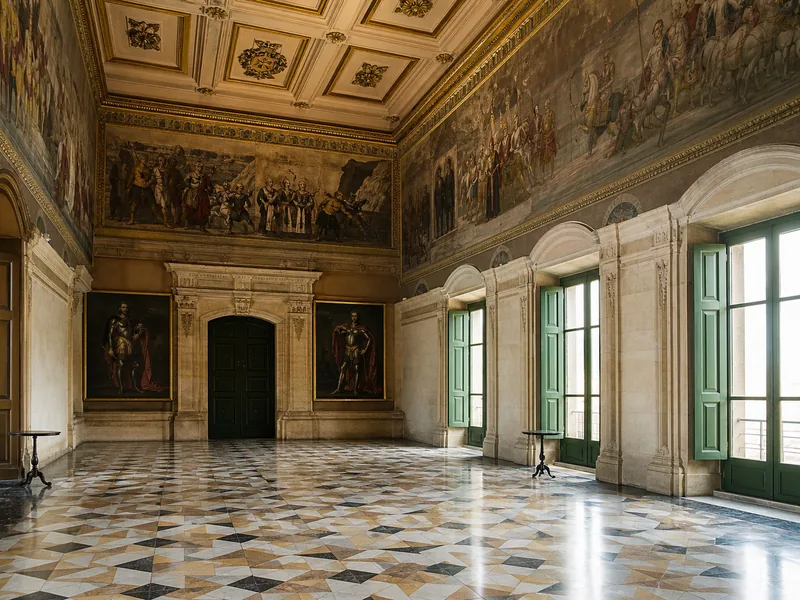
Architecturally the palace reads as stately but not fussy from the street, then turns rich inside. Its original exterior colour was red ochre used by the Order to mark public buildings. Inside, you move from flagged courtyards into corridors where late 18th century Baroque illusionistic ceilings pull the eye upward, with decorated marble floors and an original coffered ceiling in places giving the rooms their weight. There are two courtyards, with orange trees and stone detailing that photograph best in late afternoon, and a statue of Neptune, once part of a fountain erected in 1615 near the harbour by Grand Master Wignacourt, now stands in a palace courtyard.
The layout today is straightforward. You enter on Republic St, Valletta, then pass through a new visitor route that starts in Palazzo del Monte and the Orangere before you reach the piano nobile. The piano nobile corridors have been restored, and the palace includes a Tapestry Hall, the Throne Room, the Ambassadors’ Room, the Grandmaster’s Study and the Pages’ Room. The uccelliera has been rediscovered and restored, a small but telling courtly feature that had been hiding in plain sight for decades.
The state rooms are the showpiece. In the Throne Room and the Ambassadors’ Room the ceilings and walls carry the kind of narrative Malta does well, with chivalric mottoes, allegory and pageantry in paint and stucco. Les Teintures des Indes (18th century) hangs in the Tapestry Hall, a room that rewards slow looking for its flora and fauna as well as its scale. Along the piano nobile a portrait gallery runs from the arrival of the Knights of St John to today, giving you a quick survey of power in these islands without needing a docent.
The armoury is a highlight in its own right. The armoury has been restored to its 1605 location in the former Parliament Chamber, which means the display breathes in its original volume rather than a modern annex. The collection is described as one of the world’s greatest and is housed in the original buildings, with halls that hold medieval artefacts related to war. You do not need to be a specialist to enjoy it, but if you are, give yourself the full hour up here and save the courtyards for later.
A five-year restoration has transformed the visit. The state halls have been restored, the courtyards have been restored and the piano nobile corridors have been restored, a programme financed by the Maltese Government with more than €40 million and co-financed by the European Union to the tune of 18 million. The visitor centre sits in Palazzo del Monte and the Orangere, the latter once serving as the office of the Attorney General, and even the uccelliera benefits from this round of work. The project reopened with a Friday evening inauguration that brought in over 40 participants, and annual visitors were around 250,000 before the project, which gives you an idea of how central this building is to Maltese heritage.
What is it like to visit now? Typical visiting time is 45-60 minutes, which covers the state rooms at an unhurried pace and still leaves ten minutes for the courtyards. The flow is linear, so even when coaches are in you are not fighting back against people coming the other way, and there is space to step aside and let a tour pass if you want a quieter room. Some visitors and staff whisper about alleged strange manifestations in the state rooms, an atmospheric footnote that suits the painted allegories, but the mood in daylight is more grand than ghostly. It is wheelchair accessible, and there is a ticket office at the entrance.
Practicalities matter here because the palace still does real work. Hours are 09:00 to 17:00 daily with last admission 30 minutes before closing, and it is closed on 24, 25 and 31 December, 1 January and Good Friday. Adults pay €12, seniors and youths €10, children 6–11 €8, and infants go free. If you are visiting several sites, the Malta Heritage Attraction Pass covers dozens of museums and attractions and can save on entrance fees. The palace is also a Malta Biennale venue, so during festival periods you may find contemporary works installed in the historic rooms, which is often a smart contrast rather than a distraction.
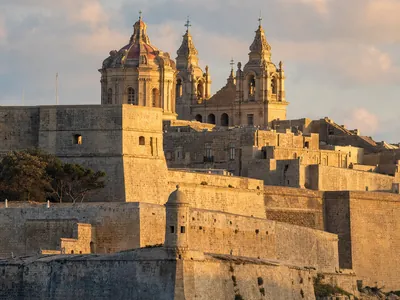
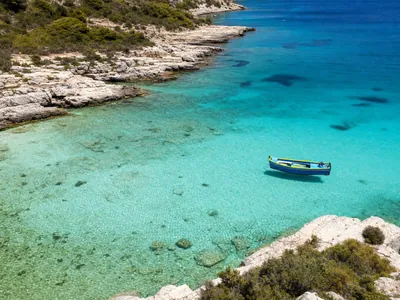
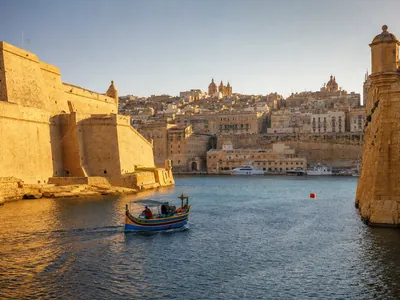
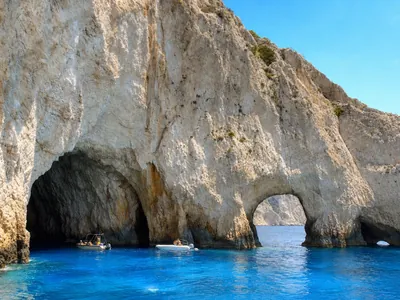
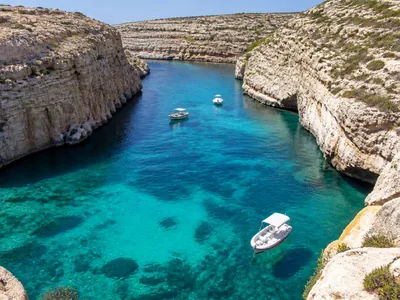
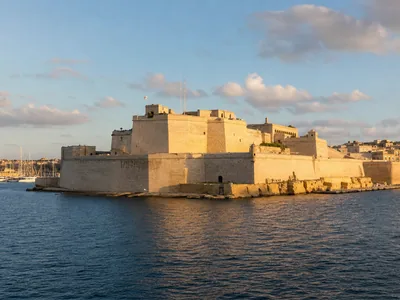
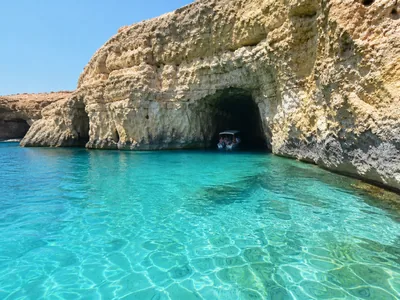
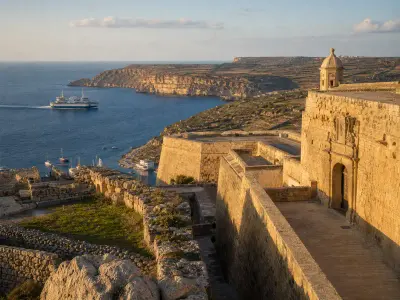
If you are stitching a day in and around Valletta, it pairs naturally with the cathedral and the gardens, and then a Grand Harbour cruise makes sense to put the Order’s story in context. For a change of scale, the fortified lanes across the water in the Three Cities carry the same history at street level, while beyond the capital you can jump time and style completely at Mdina and Rabat. If you prefer sea and limestone after a morning of gilt and marble, book the boat for the Blue Grotto or leave the city for a dip later in the day.
In short, the Grandmaster’s Palace is the place where Malta’s ceremony still meets its history. Go early, look up often, and do not skip the armoury if you want to understand how this small capital once shaped events far beyond its walls.
Common questions
How long do I need inside the palace?
Typical visiting time is 45-60 minutes, enough to take in the main state rooms, the tapestries and the armoury without rushing.
Is it accessible for wheelchairs or buggies?
Yes, the site is wheelchair accessible. Lifts and level routes are provided so you can move between the principal floors and the armoury.
Where should I go before or after my visit?
Pair it with [St John’s Co Cathedral](/st-johns-co-cathedral), the [Upper Barrakka Gardens](/upper-barrakka-gardens) and the nearby [Lascaris War Rooms](/lascaris-war-rooms). If you have more time, take a [Grand Harbour cruise](/grand-harbour-cruise) or cross to the [Three Cities](/three-cities).
Last checked: 27 October 2026. Prices, opening hours and timetables change, verify anything time-sensitive before you travel. Photo: Diego Delso, CC BY-SA 4.0.