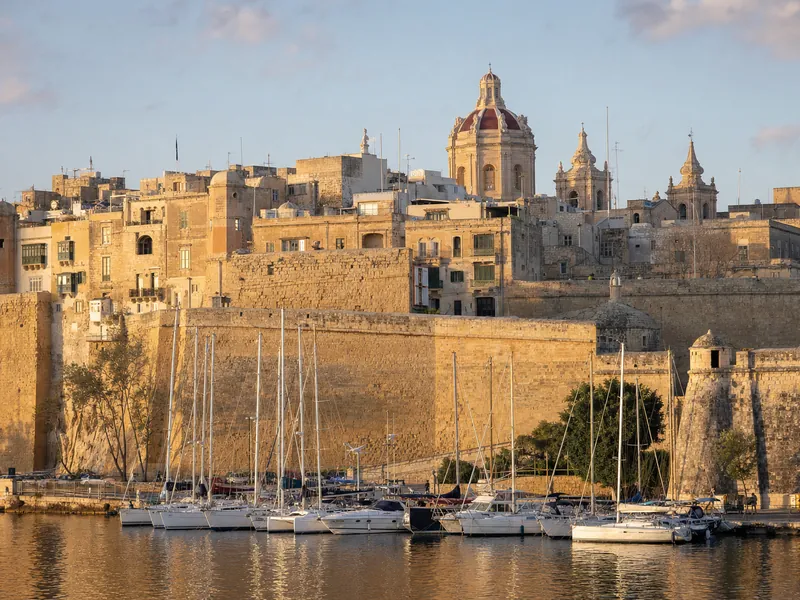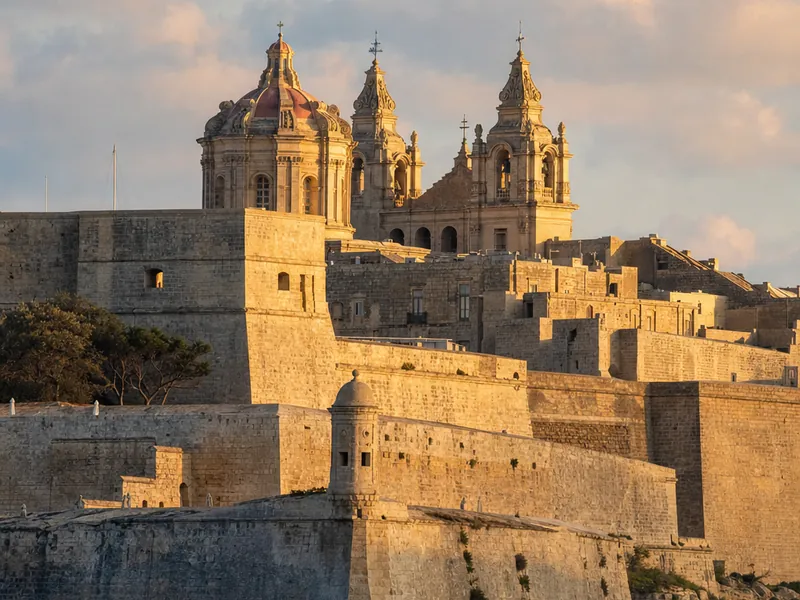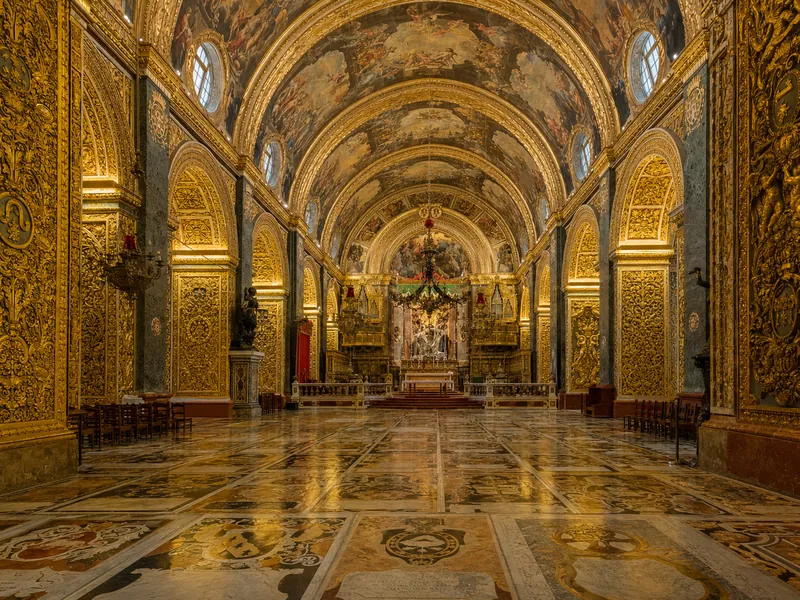
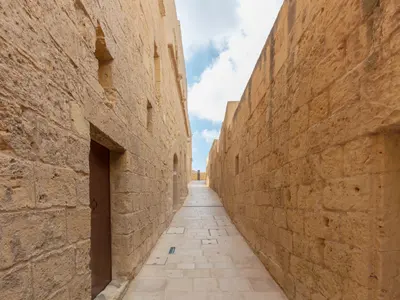
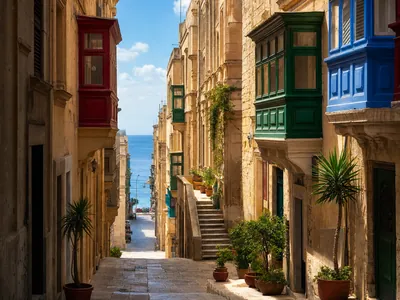
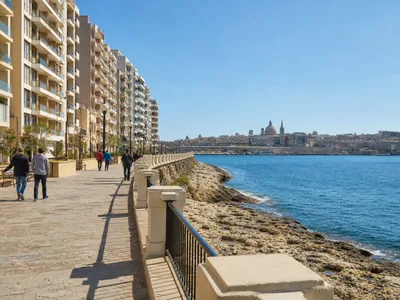
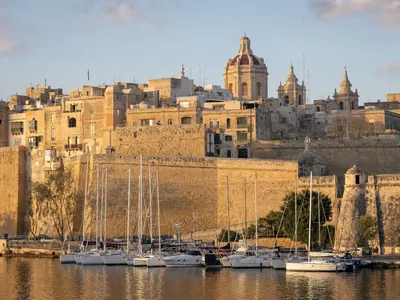
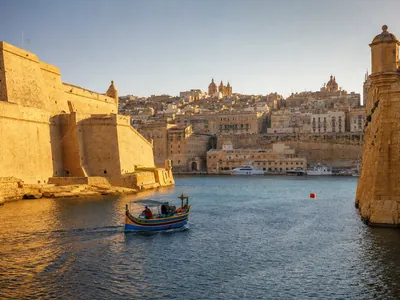
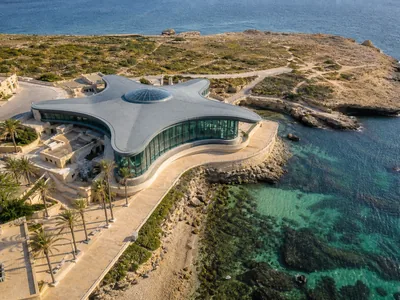
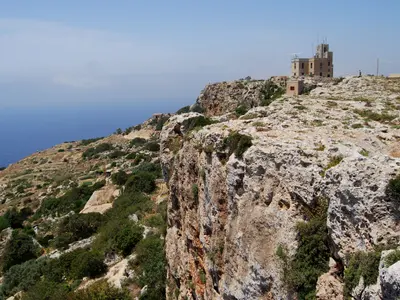
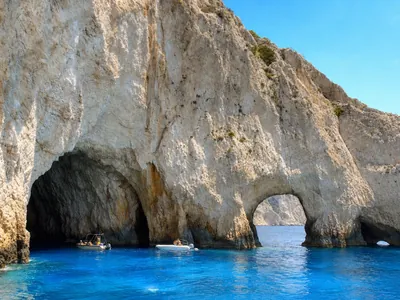
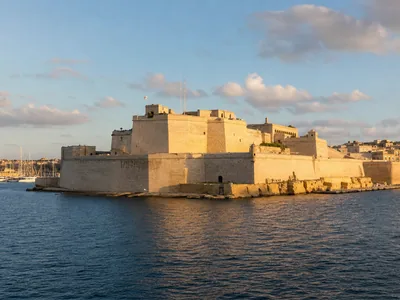
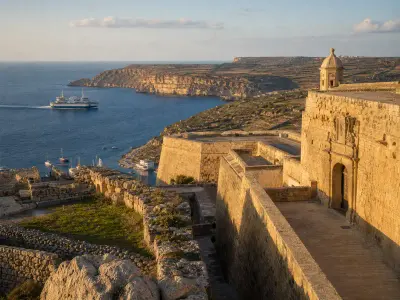
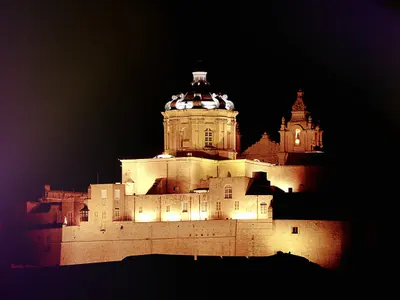
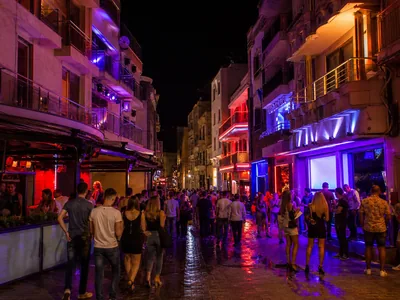
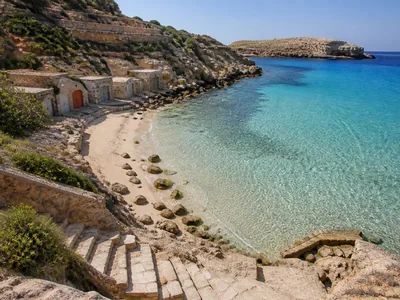
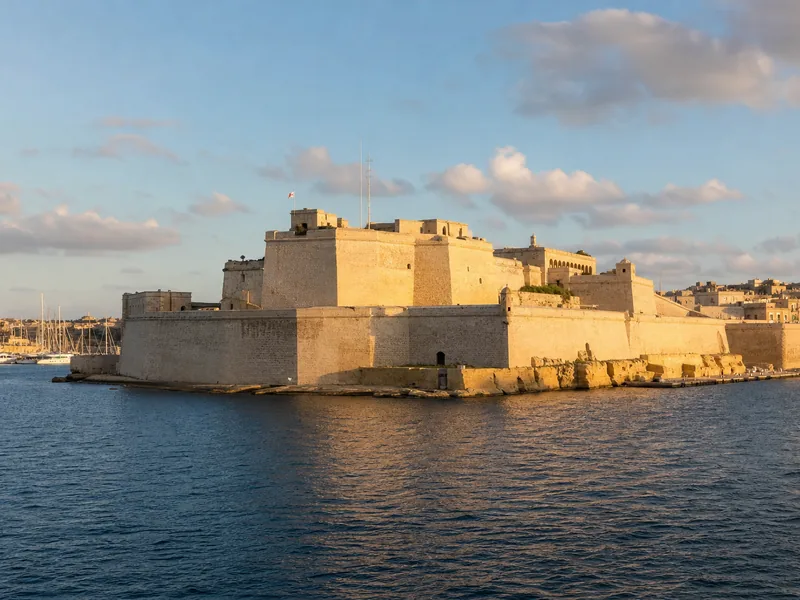
Fort St Angelo is the stone heart of Birgu, the knights’ stronghold that guarded the mouth of Grand Harbour. The site offers panoramic views over Grand Harbour and the surrounding fortified towns. If you want one place that explains why this water mattered so much to Malta, start here. It took 69 direct hits during the Second World War, yet the fort stands intact after careful restoration and is now open as a museum.
What is Fort St Angelo? It is the medieval core and later bastions that became the Order of St John’s headquarters during the Great Siege of 1565, before the Order moved to Valletta in 1571. The chapel within the upper fort was the Grand Masters’ private place of worship, and tradition reaches further back, linking the site to older places of cult. After the Knights, the British Navy garrisoned the fort from 1800 until the last foreign forces left in 1979, and you will still see the naval names HMS Egmont and HMS St Angelo on signage and exhibits. Recent works between 2012 and 2015 put the complex back into shape for visitors.
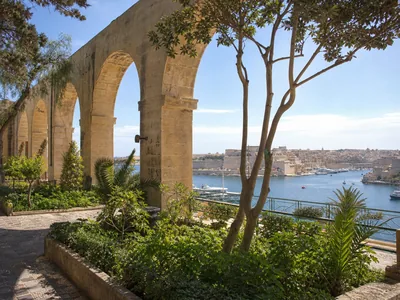
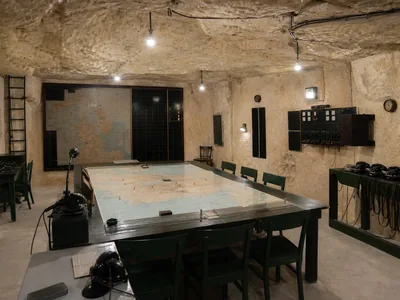
Who should consider visiting? Come if layered history is your thing, or if you want the best angle on Grand Harbour without the crowds. From the bastions you read the harbour like a map, across to Valletta and the saluting battery at the Upper Barrakka Gardens, over to Senglea and Cospicua, and out to sea. If you only want a quick photo stop, the Upper Barrakka or a Grand Harbour cruise are easier wins. Families who like space to explore will enjoy the wide ramparts, though buggies will find the stepped upper sections a challenge. If you are building a historic day, pair it with Valletta and the underground command rooms at the Lascaris War Rooms, or walk the streets of the Three Cities before or after.
Getting there is straightforward. Aim for Birgu’s waterfront and follow the peninsula to the tip, where the fort commands the harbour entrance. The most enjoyable arrival is by ferry across the water from Valletta, then a harbourside walk past the yachts and old quays. Allow a short uphill section inside the fort itself as you climb from the lower works to the upper strongpoints.
Tickets and admission costs are simple, and you do not need to puzzle over categories. Admission for adults is €10.00. Seniors, students and youth are €6.00, and children aged 6 to 11 are €4.00. Under‑5s go free, as do Heritage Malta Members and Heritage Malta Passport holders. Your ticket is valid for 30 days after acquisition, and it includes the on‑site interpretation centre. There is a sweetener if you like souvenirs and reference books, too, because showing your admission ticket at the site’s shop gets you 15% off Heritage Malta guidebooks. At present, admission also includes the Biennale exhibition at the Malta Maritime Museum, which makes Birgu an even easier day to plan.
Opening times change with season and events. Check Heritage Malta’s page before you set out, especially if you are trying to catch a late entry for sunset on the ramparts or a special opening of the upper areas.
Do I need to book in advance? For a normal daytime visit, buying on the day is usually fine. For special evenings, you do. During the Malta International Fireworks Festival final show, the fort opens after hours and becomes one of the best viewing platforms in the country. Doors open at 19:00, the show starts at 20:30, and if you opt for the Taste History buffet you must arrive by 19:00 and prebook before 25th April via Heritage Malta’s online store. On these nights the expansive grounds open exclusively during extended hours, which is as close as you will get to having the place to yourself with fireworks reflected across Grand Harbour.
How long to allow for a visit depends on how deep you want to go, but the site is big enough to reward a proper wander. Recommended visit duration is 2 hours. That gives you time for the lower works, the climb to the batteries, pauses for the views, and a look through the chapel precinct if it is open.
The visitor experience is a mix of open-air bastions and curated rooms. Start at the interpretation centre to frame the fort’s story, then work up to the gun platforms where the skyline of Valletta lines up across the water. Audio guides are available in Maltese, English, German, Italian, Spanish, French and Chinese. Seek out the Chapel of St Anne in the upper fort, long the private chapel of the Grand Masters, where an Egyptian pink granite column stands out amid Maltese limestone. Exhibits and panels stitch together the Great Siege, the British naval period, the 69 wartime hits and the postwar repairs so you do not need to arrive as an expert.
Accessibility and on‑site facilities are better than you might expect for a fort on a rocky headland. Much of the lower area is step‑free, though gradients and stone underfoot are part of the deal, and the upper sections are historic fabric. The upper fort is accessible only via steps. Electric vehicles for wheelchair users are available, except in bad weather. There is food and drink on site, indoor and outdoor seating, a gift shop and a nappy‑changing facility, which takes the pressure off families visiting with young children. If you rely on lifts and smooth routes, plan a circuit of the lower works and viewing terraces and skip the upper climb.
Parking and drop‑off are both straightforward by the Birgu waterfront, and there is parking available close to the site. If you are combining the fort with a wider harbour day, consider coming one way by water and one way by road. A harbour crossing pairs well with a morning here, then a wander and lunch before you head out to the temples at Hagar Qim and Mnajdra or a quiet evening within the walls of Mdina Rabat.
Common questions
Is the upper fort open to the public?
Yes, following an agreement it is open to the public, but the upper fort is accessible only via steps.
Are audio guides available and in which languages?
Yes. Audio guides are available in Maltese, English, German, Italian, Spanish, French and Chinese.
Is Fort St Angelo wheelchair friendly?
Ground‑level areas and routes are partially accessible, and electric vehicles for wheelchair users are available except in bad weather. Stepped areas, including the upper fort, are not accessible by ramp.
Can I get food or a coffee on site?
Yes. There is food and drink on site, with indoor and outdoor seating, and a gift shop. A nappy‑changing facility is also available.
Last checked: 23 October 2026. Prices, opening hours and timetables change, verify anything time-sensitive before you travel. Photo: Felix König, CC BY 3.0.