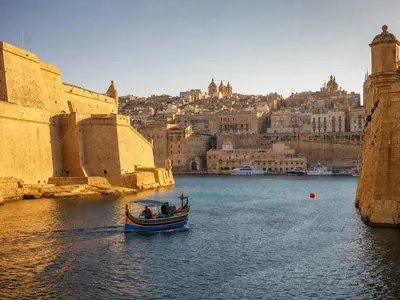
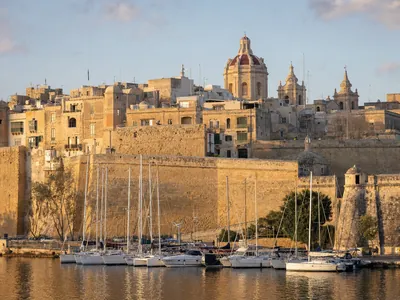
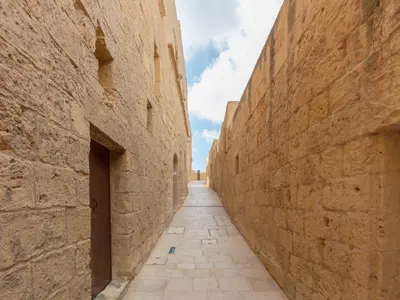
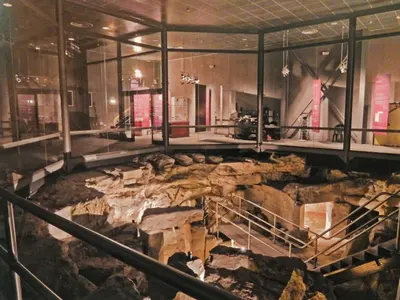
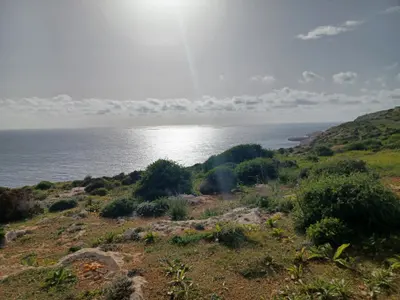
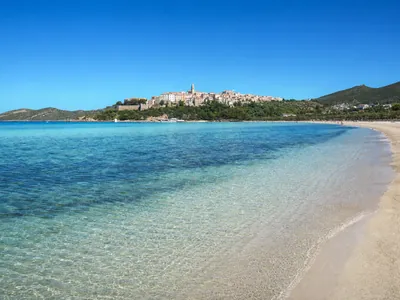
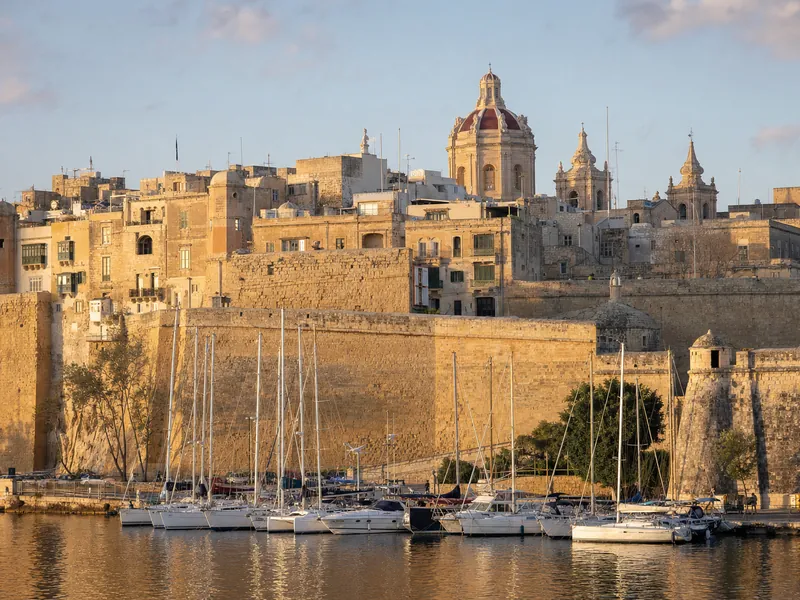
What are the Three Cities? They are the historic harbour towns of Vittoriosa (Birgu), Senglea (Isla) and Cospicua (Bormla) looking straight across Grand Harbour to Valletta. Together they make a compact, walkable slice of old Malta where siege walls, quiet lanes and working marinas sit side by side.
Whether you love forts and museums or prefer cafés and views will shape your route, as will the time of day you come. Mornings and late afternoons are best for softer light and calmer streets, while August brings festa energy around Birgu’s St Lawrence.
Getting here is part of the pleasure. From Valletta’s waterfront, the short Valletta–Birgu ferry hops you across in minutes to the Birgu marina. Start in Birgu for the densest history, swing over the creek to Isla for its viewpoint gardens, then return through Bormla’s broad streets and bastions. If you only remember one navigation tip, remember that a pedestrian bridge links Senglea to Vittoriosa.
Overview and quick facts. The Three Cities, known in Maltese as It‑Tlett Ibliet, sit on the south‑east side of Grand Harbour directly opposite Valletta. Birgu is the oldest and was the Knights’ first base after 1530, Senglea is the smallest and best for a harbour panorama, and Bormla is the largest and easiest for wide, level streets. Expect maritime history, narrow streets and impressive fortifications in close proximity, without Valletta’s crowds.
Why they matter. These peninsulas guarded the approaches to Grand Harbour during the Great Siege of 1565, when the Knights and Maltese held off the Ottoman fleet. Vittoriosa takes its very name from that stand, and Senglea was awarded the title Città Invicta for withstanding the siege. The Order later shifted across the water when Valletta became capital in 1571, but the harbour towns kept their shipyards, churches and identity.
Town by town: Vittoriosa (Birgu). Birgu is the Three Cities’ heavyweight, a narrow peninsula that pushes into Grand Harbour and has streets that feel older than almost anywhere else in Malta. The Knights of St John chose Birgu as their first home for its sheltered anchorage and fortifications, and you feel that decision at every turn. The waterfront is lined with cafés and the Malta Maritime Museum, inland lanes lead past auberges and quiet chapels, and the tip of the peninsula ends in Fort St Angelo, the strongpoint of the siege. St Lawrence, the parish church just back from the marina, is one of Malta’s most historic surviving churches and served as the Order’s church until St John’s Co‑Cathedral opened across the water.
Town by town: Senglea (Isla). Smaller and snugger, Isla runs parallel to Birgu and ends in Gardjola Gardens, a tiny belvedere with wide views over Grand Harbour and Valletta. This is where you come for that postcard sweep of bastions, breakwater and warships at anchor. Senglea took a battering in the Second World War, which makes its survival and steady rebuilding all the more striking. It links back to Birgu at mid‑creek, so you can loop the two easily without retracing your steps.
Town by town: Cospicua (Bormla). Broad streets and high walls make Bormla feel different from its neighbours. It is the largest of the Three Cities and sits to their south, enclosed by the outer ring of bastions. The old dockyard here has been steadily redeveloped into a marina, and inland you find the Church of Our Lady of the Immaculate Conception, known locally for surviving the wartime blitz when much around it did not. Look up in the church for a Madonna and Child by Polidoro Veneziano above the high altar.
Cottonera Lines and other fortifications. Walk any edge of Bormla and you meet the great curtain of the Cottonera Lines, the outer walls thrown around the harbour towns after the siege years to harden the whole area. The plan wrapped Bormla in a chain of bastions and baroque gateways and tied the three cities and their forts into one defensive machine. Earlier, in 1638, Firenzuola’s work had already strengthened the inner ring, and when the French were later shut in the harbour during the uprising they were penned inside these very walls for well over a year. None of this is textbook history when you are on the ground, it is the height of the stone, the angles at street ends and the way traffic now slides under gates made for cannon.
Main things to see and why they matter. You can do this sensibly in a loop without rushing. Start at Birgu waterfront and choose your museums first, because it is easy to lose an hour in the vaults and not even notice. Then walk the lanes to St Lawrence, head out to Fort St Angelo’s glacis for the view back to Valletta, swing over to Isla for Gardjola Gardens, and end in Bormla for a slower amble under the walls. If you only want the headlines, these are them:
- Fort St Angelo
- Inquisitor’s Palace
- Gardjola Gardens
- Malta Maritime Museum
- St Lawrence Church and Bormla’s Church of the Immaculate Conception
Fort St Angelo, what to look for. Even when museum access is limited, the approach alone explains the fort’s role in 1565. The setting at the tip of Birgu commands the harbour mouths, and the ramped glacis gives you one of the best ground‑level perspectives back to Valletta’s skyline and across to Gardjola’s lookout.
Inquisitor’s Palace, what to see. Built in the 1530s and used as the inquisitor’s seat and residence for over 200 years, the palace now houses the Museum of Ethnography dedicated to Maltese religion and culture. It is not a torture‑chamber showpiece, it is a layered house with formal halls, domestic rooms and a small chapel, which makes it a good stop in summer for cool interiors and context.
Gardjola Gardens, views worth the detour. Perched at Senglea’s tip, the little garden gives you a wide sweep over the Grand Harbour and Valletta, with benches for a breather. Come late afternoon for warm light on Valletta’s limestone, then slip back into Isla’s lanes for a drink.
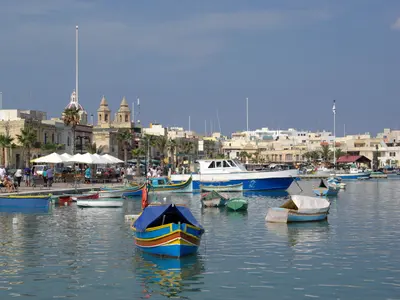
Malta Maritime Museum, highlights. The Malta Maritime Museum sits on the Vittoriosa waterfront and is the island's largest museum, with a 7,000‑year seafaring story told through anchors, models and naval kit. Look for a 4‑tonne Roman anchor and the collection of ancient Maltese boats, which put colour and craft to all those luzzu you will see around the islands.
St Lawrence and Bormla’s Immaculate Conception. St Lawrence in Birgu is a Roman‑baroque rebuild by Lorenzo Gafà and, before Valletta rose, it served as the Order’s church. Inside are colourful paintings, statues and a giant Latin cross, plus a small museum. Across in Bormla, the Church of Our Lady of the Immaculate Conception is famous locally for having survived WWII when much around it did not, and for the Madonna and Child by Polidoro Veneziano above the high altar. If you like village feasts and band marches, the Feast of St Lawrence is in August.
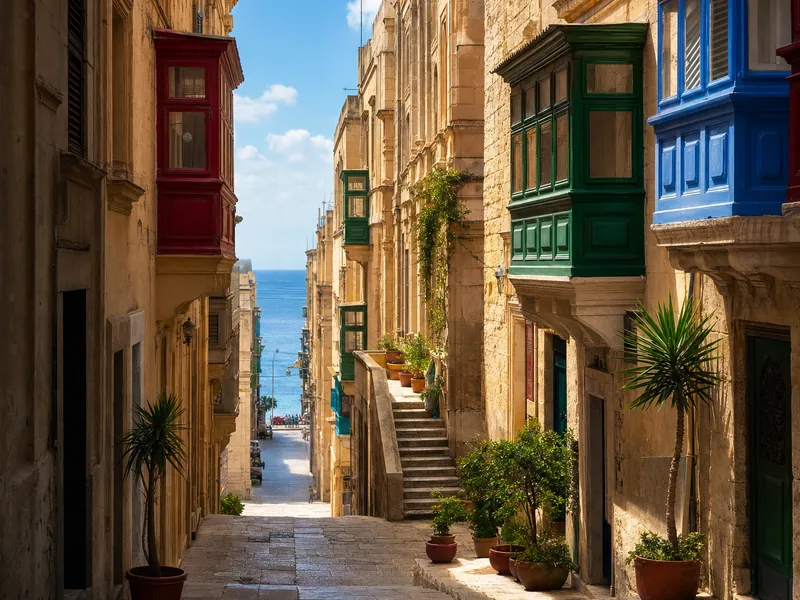
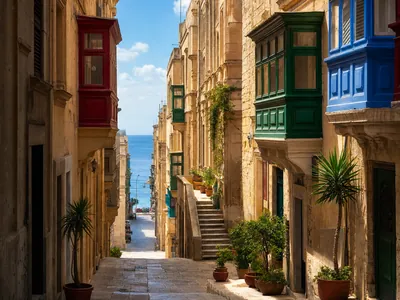
Atmosphere and what it is actually like. Compared with Valletta, streets are quieter, more lived‑in and less stage‑set. You still get yacht masts and café terraces by the water, but ten steps inland brings washing lines, shrines and conversations in the Cottonera dialect. It feels like a place people live first and a place to visit second.
Why the Three Cities make a good day trip. They are close together, easy to stitch into a loop on foot, and the ferry ride makes the day feel like a small adventure. You can tick off a palace and a museum without museum‑hopping all day, then take your time over lunch in the marina before drifting over to Senglea for the views.
What people get wrong. Many visitors stop at Birgu’s waterfront and never cross to Isla, missing the best harbour panorama. Others try to do this after a full morning elsewhere and rush the lanes in bad light. Give it half a day at least, and make the short ferry your way in and out. If you want a harbour‑level perspective without walking, add a Grand Harbour cruise from Valletta either before or after.
How much does it cost. Streets, churches and gardens are free. You pay only for museum entries and whatever you eat and drink. Save the taxi fare by using the ferry both ways.
Is it suitable for children. Yes if they are happy on their feet. Waterfronts are flat and easy, lanes have shade and interest, and museums give regular cool breaks. Bring water and hats in summer.
Where to eat. Lunch in the marina is an easy win and the obvious place to sit, watch the creeks and reset. If you want something quieter, move one street back from the water in Birgu or Isla and you will find local options without a view but with more calm.
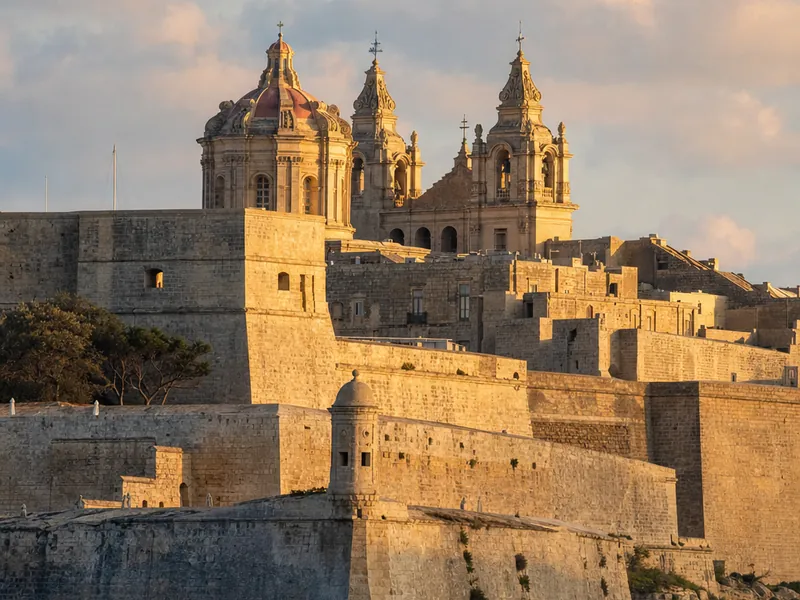
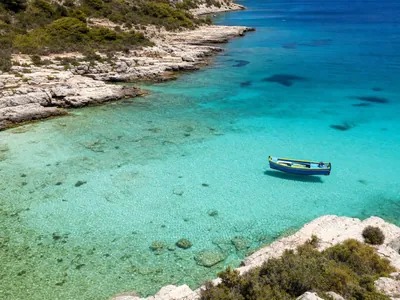
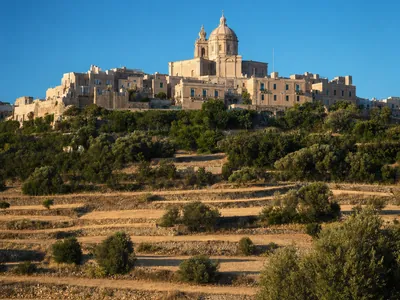
What else is nearby. Valletta is right across the water, so it pairs well for a two‑centre day, though do not try to cram both in if you like to linger. If you are planning a longer stay, contrast these lanes with the medieval calm of Mdina–Rabat, or flip the script with a swim day at the Blue Lagoon Comino.
Getting in and around. The ferry Valletta–Birgu is the nicest entry and exit and lands you beside the museum and cafés. From there it is ten minutes on foot to the Inquisitor’s Palace, another ten to Gardjola, and Bormla sits just behind the waterfronts with wider streets and the dockyard‑turned‑marina.
What to bring and wear. Light shoes you are happy to walk in, a hat, water and a camera. In summer the stone reflects heat long after midday, so plan gardens and museums as shade stops and leave heavy sightseeing for morning or late afternoon.
What is actually bookable here
- 3 bookable options via KKday and Klook
- about €20 to €40 per person at the time of checking
Taken from the operators' own listings, checked 15 September 2026. Ratings are theirs, not ours, and we do not host reviews.
Common questions
What are the Three Cities in Malta?
They are the historic harbour towns of Vittoriosa (Birgu), Senglea (Isla) and Cospicua (Bormla), facing Valletta across the Grand Harbour.
How do I get there from Valletta?
Take the short Valletta–Birgu ferry across Grand Harbour, then explore on foot. Senglea and Cospicua are a few minutes’ walk from Birgu and a pedestrian bridge links Senglea to Vittoriosa.
Is it good for a day trip?
Yes, it is ideal for a relaxed day trip. You can cover the waterfronts, Gardjola Gardens, the Inquisitor’s Palace and the Malta Maritime Museum in half a day, then slow down for a long lunch by the marina.
Is it suitable for children?
Yes for confident walkers. Streets are safe and mostly flat by the waterfront, though some alleys step up; plan breaks in gardens and cafés. Museums offer shade and sit‑down time.
What does it cost?
Strolling the cities is free. You will pay for museum entries and any harbour cruise you add. Ferries are inexpensive compared to taxis.
When is the best time to visit?
Go early or late for cooler air and easier photos. If you like local festas, the Feast of St Lawrence is in August.
Last checked: 8 September 2026. Prices, opening hours and timetables change, verify anything time-sensitive before you travel. Photo: Sionk, CC BY-SA 4.0.