The short verdict
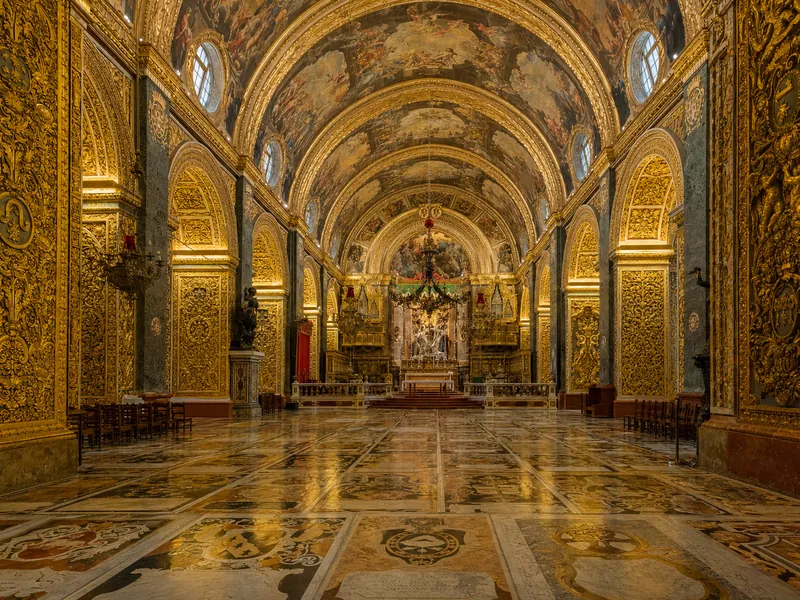
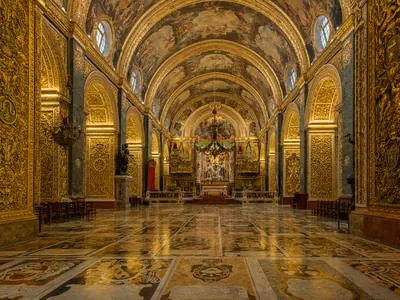
Give it a full day, not a stop. Valletta is small enough to cross on foot in twenty minutes, which fools people into treating it as a half-day tick. The city rewards the opposite approach: one or two paid sites done properly, a long lunch, and the rest spent on the bastions and the ferries. If you only enter one building, make it St John's Co-Cathedral, it is genuinely extraordinary and nothing else in Malta is close.
What it actually is
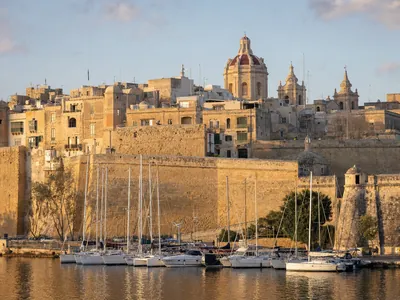
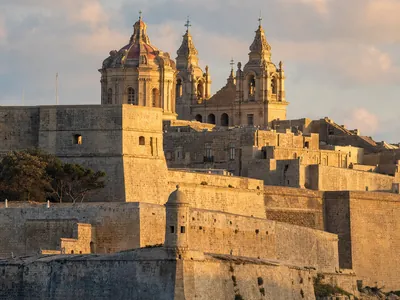
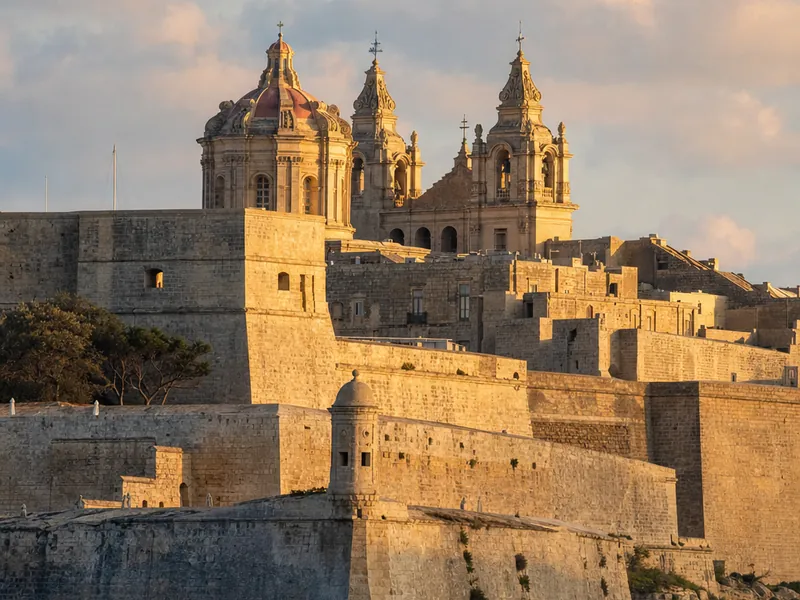
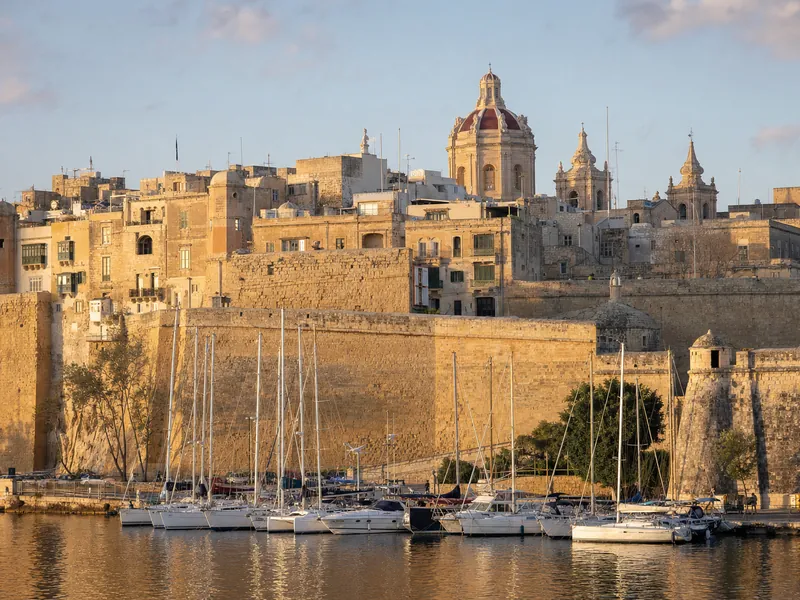
Valletta was built from scratch by the Order of St John after the Great Siege of 1565, on a ridge between two natural harbours, and named after the Grand Master who ordered it. It is laid out on a grid, unusual for a 16th-century European city, inside a ring of enormous fortifications, and the whole peninsula is a UNESCO World Heritage Site.
It is also a working capital, not a preserved museum town. People live here, the government sits here, and the city empties and fills on a normal weekday rhythm. That is a large part of what makes it better than the polished old towns it gets compared to.
Worth paying for
St John's Co-Cathedral
Plain, almost severe from the street, and overwhelming inside: carved gilded stone on every surface, and a floor made entirely of inlaid marble tomb slabs. The Oratory holds Caravaggio's The Beheading of Saint John the Baptist, his largest canvas, and the only painting he is known to have signed.
Two practical things. There is a dress code: shoulders and knees covered, and it is enforced. And stiletto heels are not allowed on the tomb-slab floor. Go early; the difference between opening time and mid-morning is considerable.
Lascaris War Rooms
The underground command centre cut into the bastion rock, from which the air defence of the island was run. Cool, dim and genuinely absorbing, and one of the few honest answers to "what can we do in Valletta when it's raining".
Fort St Elmo and the National War Museum
At the tip of the peninsula, covering Malta's military history from prehistory through both world wars. Large, and exposed. There is little shade in the fort itself.
Free, and better than some of the paid sites
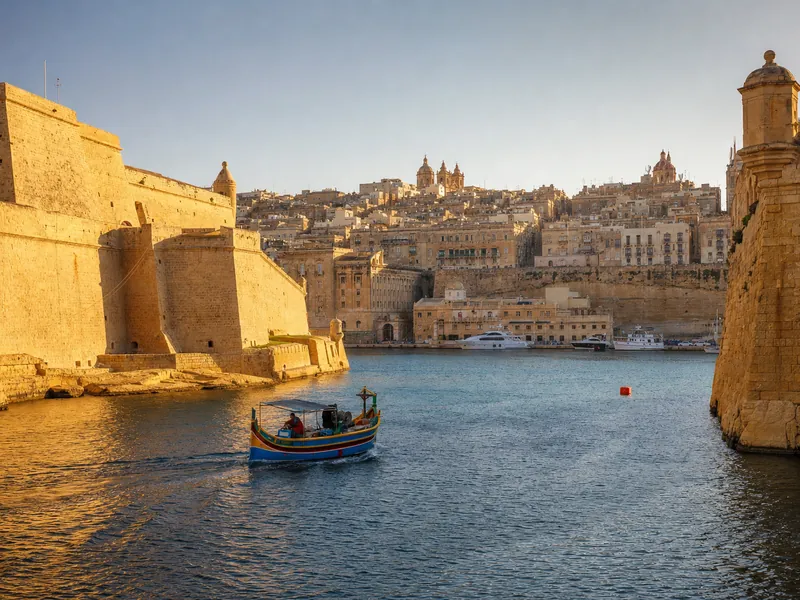
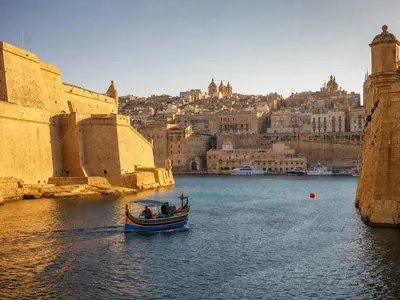
- Upper Barrakka Gardens: the view over Grand Harbour to the Three Cities is the single best thing in Valletta and it costs nothing. The Saluting Battery on the terrace below fires at set times; the gardens are the place to be just before.
- The bastion walk: following the walls round the seaward side gives you the harbours from every angle, and is nearly empty compared to Republic Street.
- The ferries: the crossings to Sliema and to the Three Cities are short, cheap public transport that happen to be among the best views in the country.
- Strait Street: once the city's notorious bar street, now a narrow lane of small restaurants. Worth walking for the sense of a city that has had several lives.
The thing nobody warns you about
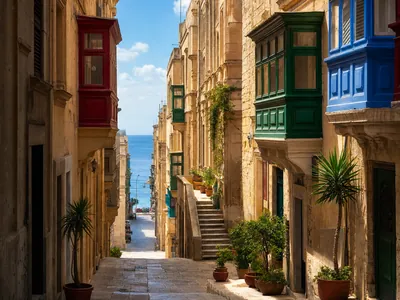
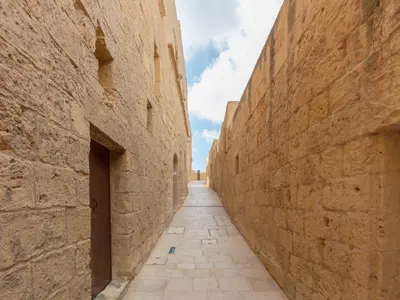
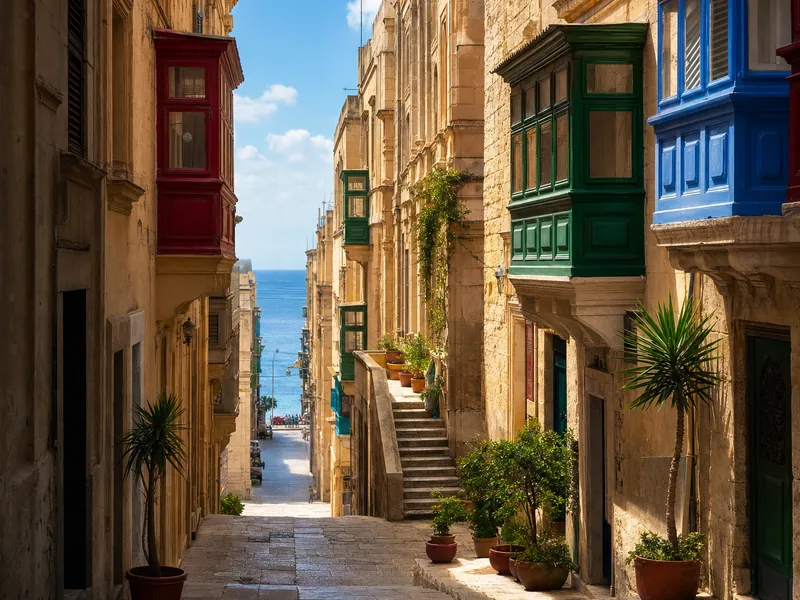
Valletta is built on a ridge, and several of its cross-streets are not streets at all but long flights of shallow steps. Republic Street along the spine is level and easy. Almost everything either side of it involves a climb, often in full sun.
If that's a problem, the Barrakka Lift connects the Upper Barrakka Gardens with the waterfront far below and removes the worst single climb in the city. Plan your route to use it in the upward direction.
When to go
- Weekday mornings are the best combination of open sites and manageable crowds.
- Cruise ship days change the city noticeably. If Republic Street feels impossible, walk one block either side and it thins out immediately.
- Sunday is quiet, many shops close. Churches, gardens and the waterfront carry on, but check individual museum opening rather than assuming.
- Evening is underrated. The day-trippers leave, the limestone goes gold, and the restaurants fill with people who live here.
What is actually bookable here
- 15 bookable options via KKday and Klook and Tiqets and WeGoTrip
- about €5 to €55 per person at the time of checking
- Free cancellation up to 48 hours ahead on 3 of the 15
- Rated 4.0/5 by 84 travellers on the partner sites, across the 4 listings that carry ratings.
Taken from the operators' own listings, checked 15 September 2026. Ratings are theirs, not ours, and we do not host reviews.
Combine it with
Common questions
How long do you need in Valletta?
A full day is comfortable. The walking is quick, it's about a kilometre end to end, but the paid sites absorb time, and St John's Co-Cathedral alone deserves a couple of hours if you're going to look properly.
Is Valletta walkable, or is it too steep?
Very walkable along the main spine, which is level. The cross-streets are where the climbs are, and several are long flights of steps. The Barrakka Lift removes the worst of it between the gardens and the waterfront.
What's open on a Sunday?
Many shops close and the city is quieter. Churches, gardens and the waterfront stay active. Museum opening varies site by site, so check the ones you care about individually.
Is the dress code at St John's really enforced?
Yes. Shoulders and knees covered, and no stiletto heels on the marble floor. Take something to cover up with if you're coming from the coast.
Should I do Valletta and the Three Cities on the same day?
You can, and the ferry across makes it easy, but both deserve better. If you have the days, split them. If you don't, do Valletta in the morning and cross for the late afternoon, when the light on the bastions is at its best.
Last checked: 30 August 2026. Opening hours, ticket arrangements and ferry timetables change. Verify anything time-sensitive before you travel.